By Christie U. Omonigho
“Leveraging Nigeria’s 200+ Tcf of gas reserves especially as part of the “Decade of Gas” (2021-2030) initiative can act as a catalyst for economic growth while diversifying the economy away from over-reliance on oil.”
Key elements of the Shell-proposed framework:
- Infrastructure Development (The “Backbone”)
- Virtual Pipelines and Mini-LNG
- Supply Reliability
- Stable and Transparent Regulation
- Right Pricing Regime
- Demand Aggregation
- Public-Private Partnerships (PPPs)
- Strategic Investments
- Upstream Gas Supply
- Eliminating Gas Flaring and
- Capacity Building
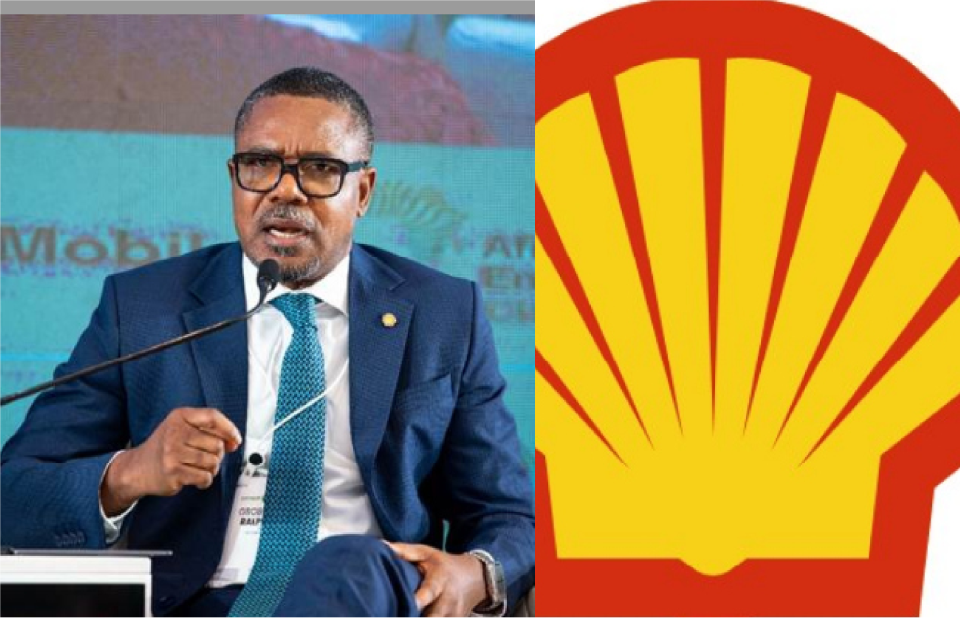
Speaking during an Energy Week in Lagos recently, Managing Director Shell Nigeria Gas (SNG) Ralph Gbobo said Nigeria can harness its gas resources for industrialization but it must first and foremost meet certain conditions even as have been spelt out above.
Ralph said investors would need “a stable, fast and transparent implementation” of rules while a fair pricing regime could be achieved with “the right incentives to grow pipeline gas” which would also attract more investments.
On infrastructure ownership models, he called for the completion of ongoing projects and ensuring the reliability of the Escravos-Lagos Pipeline System through “clear service standards.”
He said Government could also encourage investments in gas distribution through “demand aggregation.”
Ralph said: “We need to create a friendly business environment and a clear plan (e.g., industrial parks or designated zones) so demand is clustered. That makes it easier for a distributor to get a license, invest, and build shared infrastructure that serves many industries—not just one or two.”
He added: “Public–private partnership is crucial. Government backing helps planning and delivery. This model can also support industrial parks and other ways to aggregate demand.”