By Stephanie Daniels
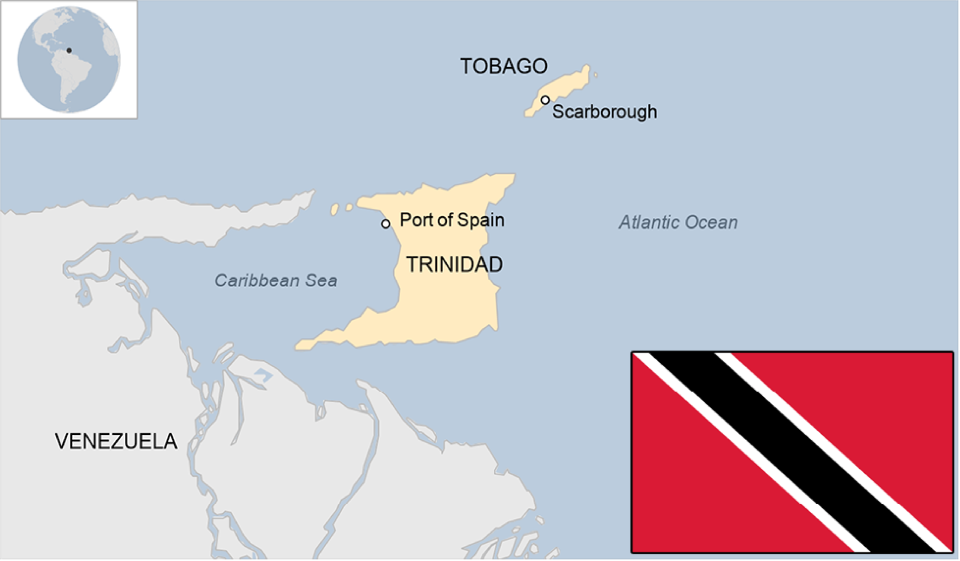
Energy Window International (Media) – Trinidad and Tobago was reported to have secured a critical license from the United States authorizing oil and gas activities involving Venezuela – also described as move that could rapidly accelerate cross-border gas development and stabilize the twin-island nation’s constrained energy supply. The approval, granted under U.S. sanctions frameworks Energy Window International (Media) has learnt, allows Trinidad-based entities to pursue long-discussed cross-border natural gas developments, and marks, the source said, one of the most consequential regional energy developments in recent years.
“For Trinidad, access to Venezuelan offshore gas is widely viewed as the most immediate pathway to reversing declining domestic production. With mature processing facilities, LNG trains and petrochemical plants already in place, Trinidad offers Venezuela a faster, lower-cost route to market, while Venezuela provides the upstream gas volumes Trinidad urgently needs to sustain output. The license effectively removes a critical political and regulatory barrier that has stalled progress on projects such as the Dragon gas field, creating momentum for new commercial agreements”.
According to the report, the implications extend across the entire energy value chain. Additional gas volumes, it was believed, would help in sustaining LNG exports, secure feedstock for ammonia and methanol production and protect state revenues tied to hydrocarbon output. “Cross-border gas from Venezuela is widely viewed as the most viable near-term solution, capable of extending the life of existing assets while stabilizing government revenues and industrial activity.”
Parallel efforts Energy Window International (Media) are also underway to rebuild refining capacity, another cornerstone of Trinidad and Tobago’s historical energy strength. After years offline following the closure of the Petrotrin refinery, authorities were said to be exploring crude supply arrangements with Indian Oil Corporation as part of a broader restart strategy. “Restoring refining operations could reduce fuel import dependence, revive industrial employment and re-anchor petrochemical integration, though long-term viability again hinges on consistent upstream supply.”
These developments are expected to take center stage at Caribbean Energy Week (CEW) in Paramaribo next month, where a Trinidad and Tobago Investment Roundtable will outline the country’s coordinated strategy to reposition itself within the Atlantic Basin energy landscape. The session is also expected to demonstrate that near-term, lower-risk opportunities that have already been identified across upstream gas tie-backs. LNG optimization and downstream industrial projects, provision of clarity on licensing frameworks, cross-border project structures, fiscal terms and investment prospects across gas, refining and petrochemicals – all are expected to be addressed exhaustively.
For investors tracking frontier and near-frontier energy markets, the convergence of U.S. regulatory approval, Venezuelan resource proximity and Trinidadian infrastructure readiness – all will create a rare window of alignment, and these initiatives, if successfully executed, could extend the operational life of legacy assets while laying the groundwork for a new phase of gas-driven industrial growth.
As CEW 2026 approaches, Trinidad and Tobago is shifting the narrative – from supply uncertainty toward regional integration and renewed investment momentum – anchored by the cross-border cooperation the new U.S. license now makes possible.